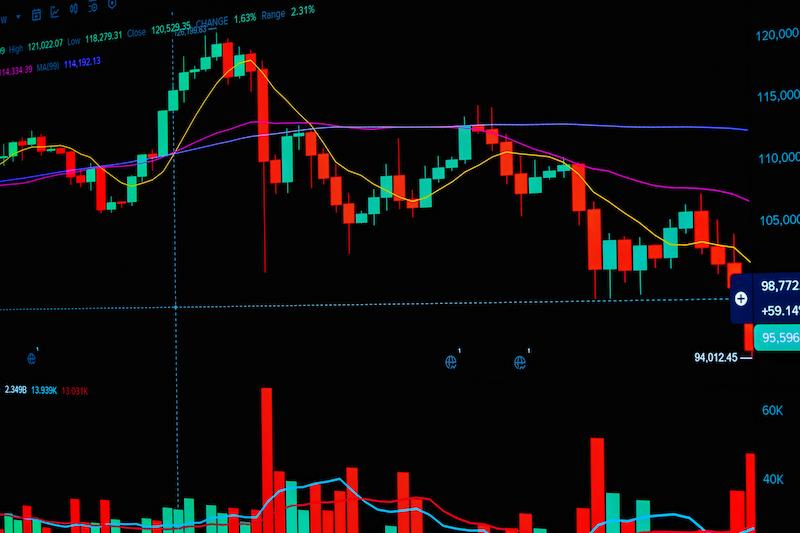
Sometimes a stock appears to fall by half overnight, and anxious holders rush to find the cause. Often, the explanation is simply a corporate action, not a collapse. Anyone tracking the BSE Share Price of a company announcing a split may notice an apparent sudden drop. Likewise, the NSE Share Price on a dividend record date adjusts in ways that confuse newcomers. Understanding these events prevents panic and helps you extract genuine benefits from them. This article explains the major corporate actions Indian investors encounter and how each affects quoted prices.
Stock Splits Explained
In a stock split, a company splits each share in a ratio of 1:5, and the price changes to reflect this. Your overall holding is not affected at the time of the split. The primary motivation for a split is to make the shares more accessible and liquid to smaller investors, but this does not necessarily create value. A split tends to benefit investors later, as it often causes a rise in price over the following months.
Bonus Issues
A bonus issue is an issue of extra shares to existing shareholders, at no cost to them, in a particular ratio. The share price is adjusted downwards on the ex-date to compensate for the extra shares. Your overall holding is not affected immediately following the bonus. Bonuses are always taken from either reserves or profits, and so should always be treated as a confirmation of good earnings prospects by the issuing company.
Dividends and Record Dates
When a dividend is declared by a company, it is only payable to those who are on the company’s records as shareholders at the time of the record date. Because of the way the settlement process works, this means that you have to buy the shares before the ex-dividend date to get the declared dividend. It is not worth buying shares simply to get a dividend, because the ex-dividend price drop wipes out any profit, and dividends are also subject to taxation. Dividend-paying stocks should be viewed as long-term buys, based around companies that have a good track record of paying out.
Rights Issues and Buybacks
A rights issue allows existing shareholders to buy extra shares in the company, at a discount, in line with the number of shares that they already hold. If you ignore a rights issue, your holding of the company will be diluted in line with the issue. Decide whether the company will be investing the money raised in good projects, or whether it is simply a desperate attempt to prop up the value of its shares. A buyback of the company’s own shares can create value for shareholders, as the overall number of shares in circulation will be reduced. Look carefully at a tender offer, as those buying back the shares will always tender them at a premium.
Adjusted Charts and Careful Analysis
Many charting sites have adjusted the prices of historical shares to account for splits and bonus issues, which is why it is important to check if you are looking at old or adjusted figures. Keep a watch on calendars for announcements regarding your holdings and never believe what you hear – always research what a company says. You should be able to separate events which make the number of shares in issue change artificially, from events which actually create or destroy value. Having that knowledge should mean that you do not panic-sell when a split occurs, but buy when a genuine opportunity arises.